People affected by kidney disease worldwide
Deaths yearly from kidney failure globally
CKD cases go undiagnosed in early stages
World Kidney Day 2026 — mark the date
What is World Kidney Day?
Every year, on the second Thursday of March, the world pauses to acknowledge something most of us take for granted — our kidneys. World Kidney Day 2026 will be observed on 12 March 2026, and this year, the message feels more personal than ever.
Think about it this way: your kidneys filter around 200 litres of blood every single day. They remove waste, balance fluids, regulate blood pressure, produce hormones, and keep your body running smoothly — silently, constantly, without rest. And yet, most people never think about their kidneys until something goes very wrong.
That is exactly the problem World Kidney Day was created to solve. Launched jointly by the International Society of Nephrology (ISN) and the International Federation of Kidney Foundations (IFKF), this global campaign has been running since 2006 — and every year, it reaches millions of people with one simple message: know your kidneys before it is too late.
In my practice at Pragma Medical Institute, I see patients almost every week who have been living with kidney disease for years without knowing it. By the time symptoms appear — swelling, fatigue, high creatinine — the damage is already significant. That is why I urge everyone, especially those with diabetes or high BP, to get a simple kidney test on World Kidney Day. Early detection is not just important. It can be life-saving.
Dr. Swaranjeet Kaur, Consultant Nephrologist, Pragma Medical Institute, BathindaWorld Kidney Day 2026 Theme
This Year's Theme
"Kidney Health for All – Caring for People, Protecting the Planet"
This theme is powerful because it connects two things that seem separate — human health and planetary health. It reminds us that kidney disease is not just a personal health crisis; it is also shaped by what we eat, the water we drink, the air we breathe, and the environment we live in.
The 2026 theme highlights the link between clean water access, pollution, climate change, and kidney disease. Studies have shown that people living in areas with pesticide-contaminated water or high air pollution are at significantly greater risk of developing kidney disease. In Punjab, this is especially relevant — the Malwa region has seen higher rates of kidney disease compared to national averages, a fact researchers have linked to agricultural chemicals in groundwater.
The theme also calls for equal access to kidney care. Globally, millions of people who need dialysis or kidney transplants cannot access them simply because of where they were born. Awareness — combined with affordable, accessible care — is how we change this.
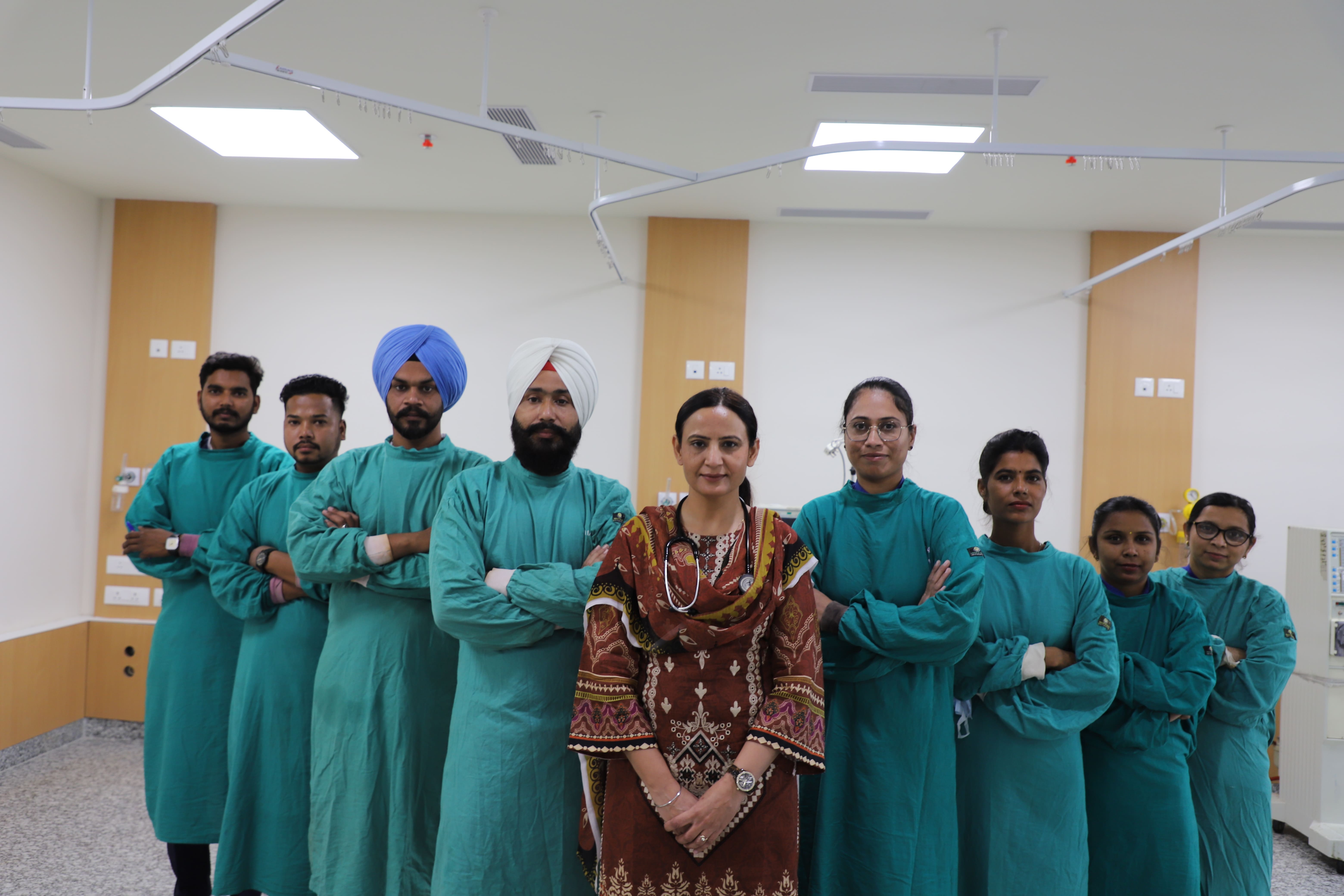
Why Does Kidney Day Matter — Especially in Punjab?
Kidney disease is often called the "silent disease" — and for good reason. In the early stages, it causes almost no symptoms. A person can lose 40–50% of their kidney function and still feel perfectly fine. This silence is dangerous because by the time symptoms appear, kidney damage may already be severe and difficult to reverse.
World Kidney Day matters because it breaks this silence. It gives us a reason — and a reminder — to get a kidney check even when we feel healthy.
Kidney Disease in Punjab: Why Your Risk May Be Higher
Punjab has one of the highest rates of diabetes and hypertension in India — both leading causes of kidney failure. The Malwa belt, which includes Bathinda, Mansa, Muktsar, and Fazilka, has reported elevated rates of kidney-related illness, particularly chronic kidney disease (CKD) of unknown origin (CKDu).
- High use of pesticides and fertilizers in agriculture has affected groundwater quality
- Heavy metals including arsenic and uranium have been detected in water sources across Malwa
- High rates of type 2 diabetes, especially in urban and semi-urban populations
- Salty, high-carbohydrate diets common in Punjabi cuisine add to kidney strain
- Many patients from smaller towns and villages lack access to early nephrology care
This is exactly why having a specialist like Dr. Swaranjeet Kaur at Pragma Medical Institute, Bathinda is critical — bringing expert nephrology care directly to the people who need it most.
Early Signs of Kidney Problems You Should Never Ignore
Your kidneys rarely shout for help. They whisper. These subtle early signs are the whispers you must not miss — because catching kidney disease early can mean the difference between treatment and transplant.
Swelling (Oedema)
Puffiness in your feet, ankles, face, or hands — especially in the morning — happens when kidneys cannot remove excess fluid from your body.
Urine Changes
Foamy urine, pink or reddish urine, going more often at night, or passing very little urine — all can be signs of kidney trouble worth investigating.
Persistent Fatigue
Feeling tired even after rest, unable to concentrate, and constant weakness — often linked to anaemia caused by failing kidneys producing less erythropoietin.
Uncontrolled Blood Pressure
Kidneys regulate blood pressure. If your BP is hard to control despite medicines, it may be a kidney issue — not just a blood pressure problem.
Nausea & Loss of Appetite
Toxins building up in the blood due to poor kidney filtration can make you feel sick, nauseated, or simply not hungry — especially in the morning.
Itching & Sleep Problems
Skin itching, restless legs at night, or persistent sleep disturbances can all be linked to waste product buildup from reduced kidney function.
Important Warning
These symptoms alone may not confirm kidney disease — but they are serious enough to warrant a doctor visit. A simple blood test (serum creatinine) and urine test can confirm or rule out kidney problems within 24 hours. Do not delay.
Who is at Higher Risk of Kidney Disease?
Not everyone faces equal kidney disease risk. Certain health conditions and lifestyle factors can significantly raise your chances. If you fall into any of these categories, getting a kidney checkup on World Kidney Day is not optional — it is essential.
Diabetes Patients
Diabetes is the number one cause of chronic kidney disease worldwide. High blood sugar slowly damages the tiny filters inside kidneys (glomeruli) over years. Every diabetic patient needs a yearly kidney test — no exceptions.
High Blood Pressure
Sustained high BP slowly damages the blood vessels that supply your kidneys. Reduced blood flow means reduced filtration — and kidney function declines silently over years. BP control is kidney protection.
Family History of Kidney Disease
Certain kidney conditions like Polycystic Kidney Disease (PKD) run in families. If a parent or sibling had kidney failure, your personal risk is significantly elevated and screening should begin early.
Frequent Painkiller Use
NSAIDs like ibuprofen and diclofenac — commonly taken without prescription for back pain, headaches, or fever — can directly damage kidney tissue with prolonged use. Always take medicines under medical guidance.
Obesity
Excess body weight increases the risk of diabetes, high BP, and directly stresses the kidneys due to increased metabolic load. Maintaining a healthy weight protects kidney function long-term.
Age Above 60
Kidney function naturally declines with age. After 60, kidneys lose approximately 1% of filtration capacity per year. Screening becomes even more important in senior years, even in the absence of other risk factors.
What Happens if Kidney Disease Goes Untreated?
This is the question that matters most — yet most people never ask it until they are already in crisis. Untreated kidney disease does not simply "stay the same." It progresses through stages, and each stage brings greater damage and fewer treatment options.
Early Stage (CKD 1–2)
Kidneys show signs of damage but function at 60–90%. No symptoms. Fully manageable with lifestyle changes and medicines.
Moderate Stage (CKD 3)
Function at 30–59%. Mild symptoms begin. BP rises, anaemia possible. Diet changes and specialist care needed urgently.
Advanced Stage (CKD 4–5)
Function below 30%. Swelling, fatigue, nausea worsen. Dialysis planning begins. Transplant evaluation may start.
Kidney Failure
Kidney function below 15%. Dialysis or transplant is the only option for survival. Costly, life-altering, and completely preventable with early action.
The tragedy is that progression from Stage 1 to Stage 4 often takes 10–20 years — plenty of time to detect and slow it down, if only people got tested. This is the entire reason World Kidney Day exists.
How to Keep Your Kidneys Healthy: A Practical Guide
Kidney protection is not complicated. You do not need expensive supplements or special treatments. Simple, consistent daily habits make the biggest difference. Here is a clear action plan:
| Healthy Habit | Why It Helps Your Kidneys | Your Action Today |
|---|---|---|
| Control Blood Pressure | High BP is the second leading cause of kidney damage. Keeping it below 130/80 protects kidney blood vessels. | Check BP weekly. Take prescribed medicines without skipping doses. |
| Manage Blood Sugar (Diabetes) | Chronic high glucose damages glomeruli — the tiny kidney filters. HbA1c below 7% significantly reduces kidney damage risk. | Test HbA1c every 3 months. Maintain a low-glycaemic diet. |
| Drink Enough Water | Adequate hydration helps kidneys flush out toxins efficiently and prevents kidney stones from forming. | 8–10 glasses of clean water daily (as advised by your doctor for your condition). |
| Eat Less Salt | Excess sodium raises BP and causes fluid retention, increasing kidney workload. Limit to under 5g/day. | Avoid packaged snacks, pickles, papad, and processed meats. Cook at home. |
| No Self-Medication | NSAIDs (like ibuprofen) and certain antibiotics are directly toxic to kidneys when taken without supervision. | Never take painkillers, ayurvedic kidney pills, or antibiotics without consulting a doctor first. |
| Exercise Regularly | Physical activity controls BP, blood sugar, and weight — all key kidney health factors. | 30 minutes of walking or light exercise most days. Avoid overexertion without guidance. |
| Quit Smoking | Smoking reduces blood flow to kidneys, accelerates kidney function loss, and worsens proteinuria. | Seek medical help to quit smoking. Even reduction helps significantly. |
| Annual Kidney Checkup | Most kidney disease is caught too late. A yearly test catches problems before symptoms appear. | Book a serum creatinine + urine test every year, starting today. |
Best Foods for Kidney Health
What you eat every day has a direct and measurable impact on your kidney health. For people who are healthy, a balanced diet rich in fresh foods protects the kidneys over time. For those already diagnosed with kidney disease, a personalised renal diet from Dr. Swaranjeet Kaur is essential — because some "healthy" foods may actually be harmful for kidneys that are already damaged.
Kidney-Friendly Foods
- Apples, berries, grapes (low-potassium fruits)
- Cauliflower, cabbage, green beans, capsicum
- Garlic and onions (natural BP reducers)
- Egg whites (high-quality protein, low phosphorus)
- Olive oil (healthy fat, anti-inflammatory)
- Home-cooked chapati with less salt
- White rice (lower potassium than whole grains for CKD)
Foods That Harm Kidneys
- Pickles, papad, and high-salt packaged snacks
- Processed meats (high sodium and phosphorus)
- Cold drinks, fruit juices, sugary beverages
- Bananas, potatoes (high potassium — limit if CKD)
- Alcohol (directly toxic to kidney tissue)
- Excess dairy (high phosphorus for CKD patients)
- Herbal/ayurvedic kidney tonics without prescription
Diet requirements differ significantly depending on your stage of kidney disease. Always consult Dr. Swaranjeet Kaur before making major dietary changes.
Importance of Regular Kidney Checkups
If there is one thing World Kidney Day teaches us, it is this: a simple test can save your life. Kidney disease can progress silently for years. But a basic blood and urine test, done annually, can catch problems long before symptoms appear — when treatment is far simpler and outcomes far better.
Here are the key tests that help detect kidney problems early:
Serum Creatinine
Measures kidney waste-clearing ability. Elevated levels suggest reduced function.
Urine Routine Test
Checks for protein, blood, and infection in urine — key early kidney damage indicators.
Blood Pressure Check
Both a cause and an effect of kidney disease. Regular monitoring is essential.
Urine Microalbumin
Detects tiny amounts of protein — the earliest sign of diabetic kidney disease.
HbA1c & Blood Sugar
Essential for diabetic patients to monitor kidney risk and guide treatment.
Kidney Ultrasound
Checks kidney size, shape, cysts, stones, and blockages. Recommended when advised.
Watch World Kidney Day Awareness Reels by Dr. Swaranjeet Kaur
On the occasion of World Kidney Day 2026, Dr. Swaranjeet Kaur has shared helpful kidney awareness messages, prevention tips, and patient education videos on Instagram. Watch and share these reels to spread kidney awareness in your family and community:
Kidney Awareness Reel
Important kidney awareness tips and prevention guidance for World Kidney Day 2026
Watch ReelKidney Health Post
Kidney care awareness and healthy lifestyle guidance for daily kidney protection
See PostKidney Care Reel
Educational content about kidney symptoms and prevention explained in simple words
Watch ReelWorld Kidney Day Reel
Spread awareness about kidney health and early diagnosis with Dr. Swaranjeet Kaur
Watch ReelWhen Should You Visit a Kidney Specialist?
Many people wait too long before seeing a kidney specialist — often because they assume symptoms will pass, or because they are unsure whether their problem is serious enough. Here is a clear guide: do not wait. Consult a kidney specialist (nephrologist) promptly if you experience any of the following:
- Serum creatinine elevated above normal range in a blood test
- Protein or blood detected in urine report
- Persistent or worsening swelling in feet, ankles, face, or hands
- Blood pressure that remains high despite BP medicines
- Diabetes with any change in kidney function tests
- Recurrent urinary tract infections or kidney stone episodes
- Family history of kidney failure or polycystic kidney disease
- Unusual reduction in urine output
- Unexplained fatigue, anaemia, or breathlessness
Early medical advice from a specialist does not mean the worst has happened — it means you are taking charge of your health before it becomes a crisis. That is the spirit of World Kidney Day.
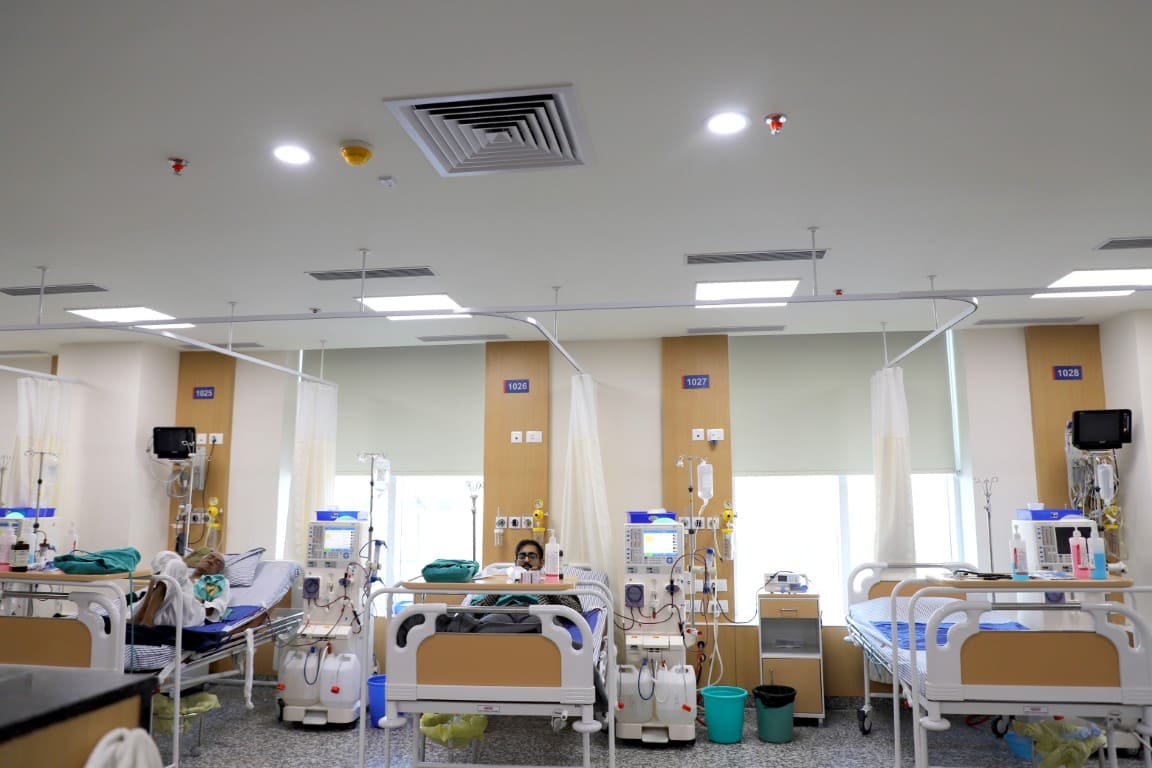
Why Choose Dr. Swaranjeet Kaur for Kidney Care in Bathinda?
Choosing the right kidney specialist is one of the most important health decisions you can make. Expert nephrology care requires accurate diagnosis, evidence-based treatment, and a doctor who genuinely listens. Dr. Swaranjeet Kaur brings all of this — and more — to every patient she sees.
Expert Nephrology Training
Trained at PGI Chandigarh — India's premier medical institution — with 12+ years of specialized nephrology experience covering CKD, dialysis, transplant follow-up, and complex kidney conditions.
Patient-Friendly Communication
Dr. Swaranjeet explains every test, every result, and every treatment option in language that patients and families actually understand — in Punjabi, Hindi, or English. No medical jargon, no confusion.
Prevention-First Approach
Rather than waiting for kidney failure, the focus is on early detection, regular monitoring, lifestyle counselling, and slowing disease progression — keeping patients off dialysis for as long as possible.
Patients visit Dr. Swaranjeet Kaur from all across Punjab — Bathinda, Mansa, Moga, Muktsar, Faridkot, Ferozepur, Sirsa, and beyond — trusting her for second opinions, complex kidney cases, dialysis guidance, and long-term kidney management.
Book Your Kidney Checkup This World Kidney Day
World Kidney Day 2026 is a reminder that early awareness, regular kidney checkups, and timely medical care can protect your kidneys for life. If you or someone in your family has diabetes, high BP, swelling, foamy urine, or high creatinine — do not wait another day.
Book Kidney Consultation Call: 9056248509World Kidney Day 2026 — Frequently Asked Questions
Quick, clear answers to the questions people ask most about World Kidney Day and kidney health awareness: