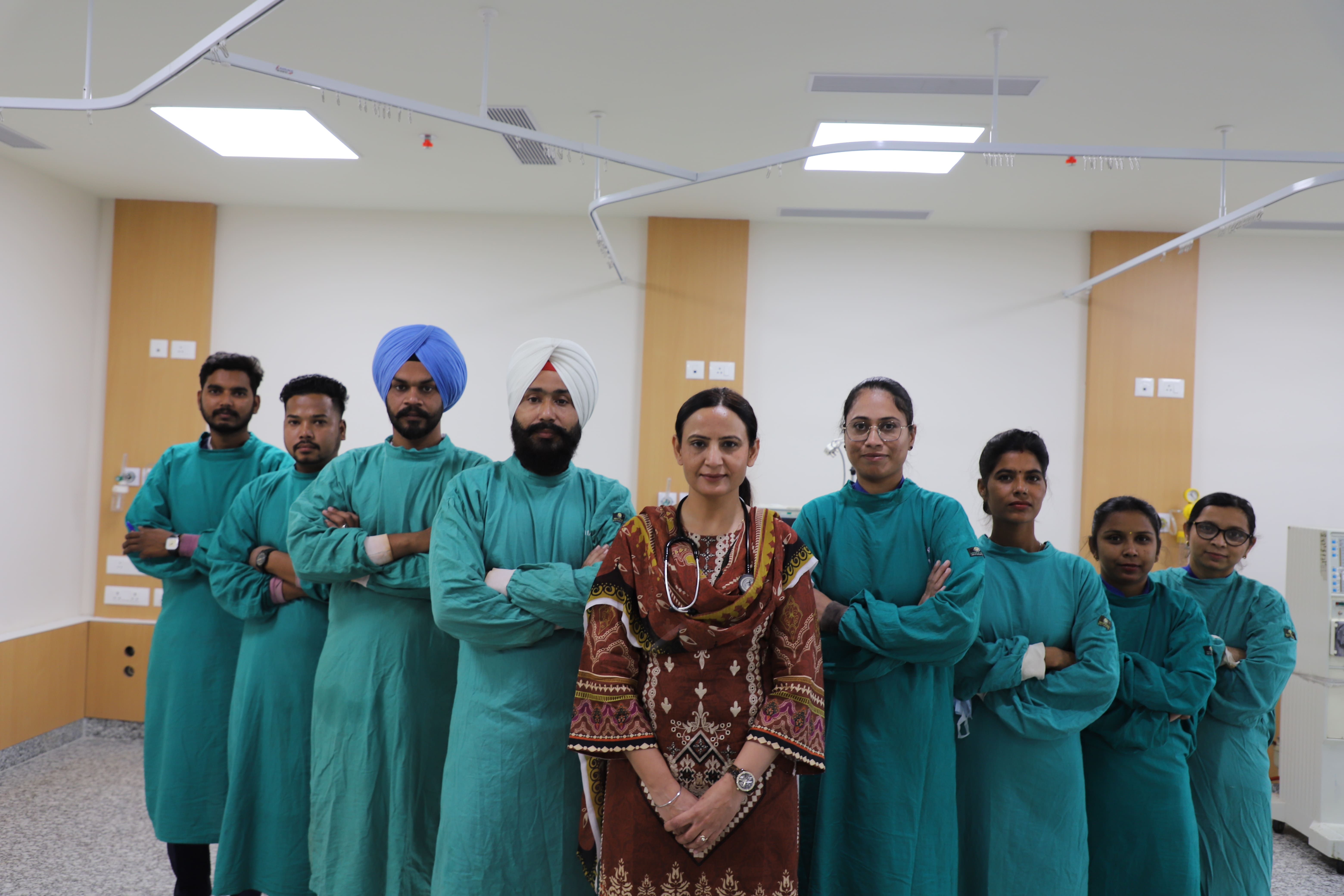
Diabetes is one of the most common causes of kidney damage worldwide. Early nephrology consultation can significantly reduce long-term complications.
Diabetic nephropathy, or kidney damage caused by diabetes, develops gradually over many years. High blood sugar levels can damage the delicate blood vessels in the kidneys, reducing their ability to filter waste effectively. Early detection and intervention are crucial to prevent or slow the progression of kidney disease.
At Pragma Medical Institute, we provide specialized care for patients with diabetes-related kidney complications, focusing on early detection, prevention strategies, and comprehensive management.

When blood sugar levels remain high, the kidneys work harder to filter the excess glucose. Over time, this increased workload can damage the nephrons, the tiny filtering units of the kidneys.
Microalbuminuria - small amounts of protein leak into urine. Often no symptoms.
Increasing proteinuria and declining kidney function. Symptoms may appear.
Significant kidney damage requiring dialysis or transplant consideration.
Comprehensive care to protect your kidneys from diabetes complications
Early detection of kidney damage through regular urine testing to identify small amounts of protein (albumin) that may indicate the beginning of diabetic nephropathy.
Personalized diabetes management plans including medication optimization, insulin therapy, and continuous glucose monitoring to maintain optimal blood sugar levels.
Hypertension accelerates kidney damage in diabetics. We provide comprehensive BP management using ACE inhibitors and ARBs that also protect kidney function.
Prescription of kidney-protective medications including SGLT2 inhibitors and GLP-1 receptor agonists that have shown to slow diabetic kidney disease progression.
Personalized nutrition plans focusing on low-sodium, moderate protein intake, and carbohydrate management to protect kidney function while managing diabetes.
Scheduled follow-ups with kidney function tests (eGFR, creatinine), urine tests, and blood pressure monitoring to track disease progression and treatment effectiveness.
Contact your nephrologist immediately if you experience any of these symptoms
In legs, ankles, feet, or face due to fluid retention
Persistent tiredness and weakness
Blurry vision or difficulty focusing
Foamy urine or decreased output
Book a consultation with Dr. Swaranjeet Kaur today and take the first step towards better kidney health.
Book an Appointment